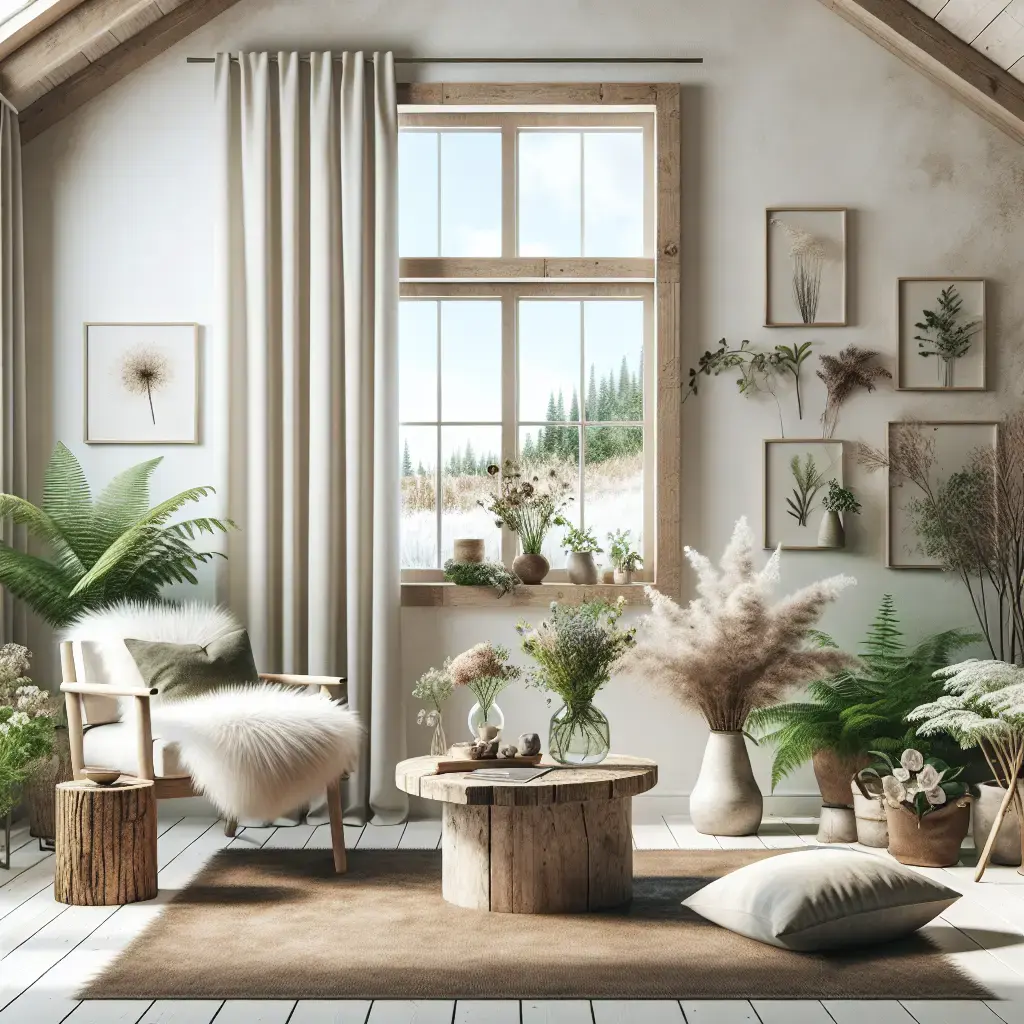
Scandinavian Interior Design: Embracing Natural Elements
In the realm of interior design, Scandinavian design stands out for its timeless elegance and emphasis on nature-inspired decor. Embracing natural elements, this style transforms spaces into serene retreats that reflect the minimalist design principles synonymous with Nordic home decor. As the world gravitates towards sustainable living, the Scandinavian style has become a beacon of eco-friendly interiors, seamlessly blending sustainable materials with modern aesthetics.
The Essence of Biophilic Design
At the heart of Scandinavian interior design is biophilic design, which emphasizes a harmonious relationship between the indoor environment and nature. By integrating natural elements such as indoor plants and organic textures, this approach transforms spaces into serene retreats. The recent unveiling of Elmntl's customizable prefab cabins exemplifies this concept, designed for wellness retreats in natural landscapes. These cabins incorporate sustainable materials and minimalist design to create light-filled spaces that nurture both body and soul (Elmntl unveils prefab cabins).
Wood Accents and Neutral Color Palettes
A key element of Scandinavian style is the use of wood accents and neutral color palettes. These features provide a soothing backdrop for nature-inspired decor and help in creating cohesive interiors. The Kemi Vacation Home by Dragon Tiny Homes is a prime example of this aesthetic. With its compact structure and wood finishes, Kemi embodies modern rustic charm while offering an affordable solution for those seeking Scandinavian-inspired dwellings (Scandinavian Design-Inspired Portable Homes).
Cozy Textiles and Hygge Decor
The Scandinavian approach goes beyond visual appeal; it also prioritizes comfort. Cozy textiles and hygge decor—elements central to Nordic home decor—enhance the inviting ambiance of any space. These features were highlighted in a recent article on the best headboards to complement bedroom aesthetics, which emphasized the importance of texture in creating a cozy and welcoming environment (The Best Headboards To Complement Your Bedroom’s Aesthetic).
Functional Furniture with Clean Lines
Functionality without sacrificing style is another hallmark of Scandinavian interior design. Clean lines and functional furniture are prioritized, ensuring that each piece serves a purpose while contributing to the overall aesthetic. This principle is evident in the design of modern furniture pieces like the IKEA Lack table, renowned for its versatility and simplicity (59 IKEA Lack Table Hacks And Makeover Ideas).
Nature-Inspired Decor Elements
Incorporating nature-inspired decor elements such as earthy tones and tactile surfaces contributes to a calming environment that nurtures the soul. This approach aligns with the growing interest in eco-friendly interiors that blend sustainable materials with modern aesthetics. The introduction of Lufthansa's new lounge at Newark Liberty International Airport exemplifies how tactile surfaces can enhance the ambiance of a space (Remade and remodeled: First look at Lufthansa’s shiny new lounge).
Modern Rustic Charm
Scandinavian interiors often exhibit modern rustic charm, achieved through the thoughtful selection of materials and layout. The trend towards minimalist design ensures that spaces remain uncluttered yet stylish, providing a perfect blend of simplicity and sophistication. This is seen in the recent transformation of the Concept Lawn at Pebble Beach Concours, where minimalist automotive designs captivated audiences with their clean lines and futuristic appeal (Inside Pebble Beach: The Wildest Concept Cars You Need to See).
Embracing Sustainability Through Scandinavian Aesthetics
The move towards sustainable living is more than just a trend; it's becoming an essential aspect of modern lifestyle choices. Scandinavian interior design supports this shift by emphasizing the use of sustainable materials and eco-friendly practices. For instance, Polestar's first electric SUV production in the U.S. reflects a commitment to sustainability that aligns with the values embodied in Scandinavian aesthetics (Polestar just made its first electric SUV in the US).
The Asus Zenbook S 16 review noted its alluring ceramic-aluminum finish—a material choice that mirrors the Scandinavian focus on incorporating durable yet elegant materials into design (Asus Zenbook S 16 review). This fusion of form and function resonates with those who appreciate both aesthetics and environmental responsibility.
Conclusion: Transform Your Home with Scandinavian Simplicity
Scandinavian interior design offers a timeless approach to creating serene and sustainable living spaces. By emphasizing natural elements and minimalism, this design ethos fosters environments that are both chic and environmentally conscious. Here's a recap of the key points to consider:
- Biophilic Design: Embrace nature by integrating indoor plants and organic textures to cultivate peaceful retreats.
- Wood Accents and Neutral Palettes: Utilize wood finishes and soothing colors to create a cohesive and tranquil backdrop.
- Cozy Textiles and Hygge Decor: Prioritize comfort with inviting textiles that contribute to a warm and welcoming atmosphere.
- Functional Furniture with Clean Lines: Opt for versatile furniture that combines simplicity with purpose.
- Nature-Inspired Decor: Incorporate earthy tones and tactile surfaces for a calming and eco-friendly interior.
- Modern Rustic Charm: Blend minimalist design with rustic elements to achieve a balance of simplicity and sophistication.
As you contemplate redesigning your space, reflect on how these Scandinavian principles can align with your lifestyle and environmental values. Whether you're enhancing a small urban apartment or creating a nature-inspired retreat, these elements offer practical solutions for modern living.
We invite you to share your experiences and thoughts on incorporating Scandinavian design into your home. How have you embraced simplicity and sustainability in your decor choices? Your insights could inspire others on their journey to creating harmonious living spaces.
Warm regards,
Evelyn Harper